
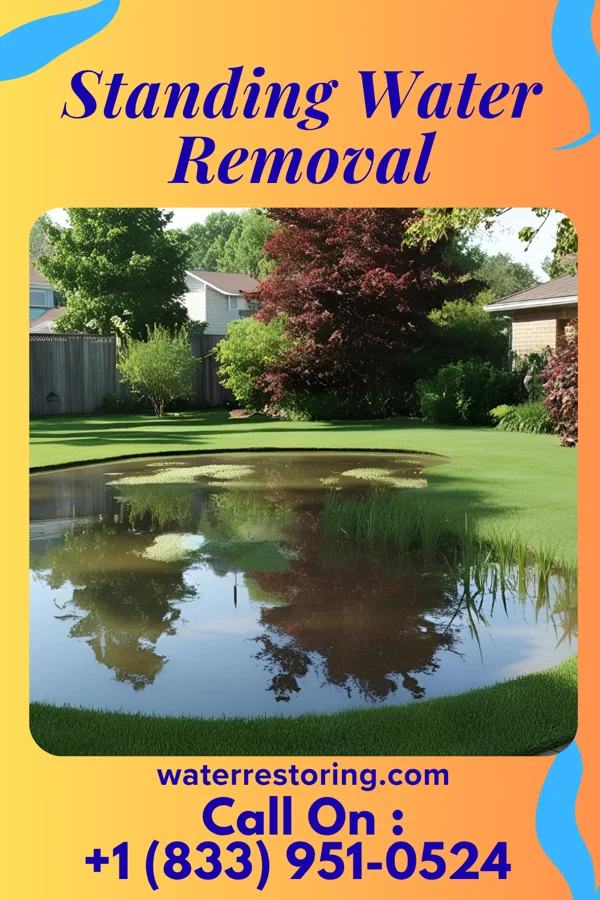
Lake Seneca Standing Water Drivers
Water damage in Lake Seneca tends to cluster in predictable windows because of the local climate. Lake Seneca, Ohio is prone to water damage due to its proximity to Nettle Lake and the surrounding rural areas, where heavy rainfall and flooding can lead to basement backups and structural water intrusion. The region's flat terrain and seasonal storms increase the risk of water accumulation in homes and commercial properties. A close second is In addition to flooding, water damage in Lake Seneca often comes from broken pipes, sewer backups, and groundwater seepage, particularly in older homes and agricultural buildings. The presence of Pioneer, Montpelier, and Nettle Lake also means that water issues can arise from nearby water bodies during high water levels..
Lake Seneca's rural location and surrounding lakes create a microclimate that can lead to prolonged humidity and moisture issues, especially during late spring and early fall. This increases the likelihood of mold growth and structural decay if water damage is not addressed promptly.
Lake Seneca's rural location and surrounding lakes create a microclimate that can lead to prolonged humidity and moisture issues, especially during late spring and early fall. This increases the likelihood of mold growth and structural decay if water damage is not addressed promptly. The dominant local driver is Lake Seneca, Ohio is prone to water damage due to its proximity to Nettle Lake and the surrounding rural areas, where heavy rainfall and flooding can lead to basement backups and structural water intrusion. The region's flat terrain and seasonal storms increase the risk of water accumulation in homes and commercial properties., with In addition to flooding, water damage in Lake Seneca often comes from broken pipes, sewer backups, and groundwater seepage, particularly in older homes and agricultural buildings. The presence of Pioneer, Montpelier, and Nettle Lake also means that water issues can arise from nearby water bodies during high water levels. showing up as the next most common cause. Damage builds in stages. Spread. Absorption. Microbial growth. Structural compromise. Every stage you pass through adds to the final bill.